

Key Takeaways
- Vision shifts often occur as you age, with many people noticing changes around age 40.
- Small daily habits can help support your eyes.
- Specific foods may support healthy sight over time for some people.
- Routine visits to the eye doctor can help detect problems early, when treatments are often more effective.
Maybe restaurant menus have been looking blurry recently, or perhaps you have to hold your phone at arm’s length to see it properly. These small shifts in your sight can be a sign of presbyopia, a normal age-related vision change that is very common in those over 40, but it can make you wonder how to protect your eyes as you age. Our team at Total Vision Pleasanton is here to answer your questions and support your eye health.
You can protect your vision after 40 by maintaining healthy daily habits, eating nutrient-rich foods, and scheduling regular adult eye exams with an eye doctor.
Normal Vision Changes After Age 40
Trouble with Close Vision
You try to read a label at the grocery store, but the letters blur together. Maybe you have to hold your phone or a menu at arm’s length to read the text clearly. This can be a sign of presbyopia, a common age-related vision change that happens when the lenses in your eyes lose flexibility over time.
There are options to help you see clearly again, including reading glasses.
Light and Glare Sensitivity
As you age, you might notice that driving at night becomes more difficult. You might also need an extra lamp to read a book in your living room. This is because the eyes can become more sensitive to glare and require more light to focus as you age.
Symptoms to Watch For
There are natural eye changes that occur over time, but other symptoms can indicate the need for a professional evaluation. Here is a general overview of some age-related changes you may notice, and if they require prompt attention or not.
Floaters and Flashes
You’ve likely noticed floaters across your field of vision before. Over time, these can become more common because the fluid inside your eye can clump together as you age. A few floating spots are normal, but you should pay attention to these sudden changes in your sight:
- Sudden appearance of dark floating spots
- Bright flashes of light in your vision
Our team can examine your eyes and determine what may be going on.
Changes in Visual Field
Some changes in your vision, like presbyopia, are normal. But other shifts in your sight are signs that you need attention from the eye doctor. Keep an eye out for these symptoms:
- Loss of peripheral (or side) vision, which can be associated with glaucoma
- Straight lines that appear wavy or distorted
- Dark blind spots forming in the center of your view, which can be associated with age-related macular degeneration
These signs can indicate conditions that require professional evaluation and treatment to help protect your vision. The eye doctor can identify the issue and recommend the right steps for your care.
Daily Habits to Protect Your Eyes
Screen Time Rules
Staring at a computer all day can make your eyes feel tired and dry. To combat this, you can try the 20-20-20 rule: Every 20 minutes, take a break to look at an object 20 feet away for 20 seconds.
You can also adjust your screen brightness to match the light in the room for extra comfort.
Sun Protection
Sunlight carries ultraviolet (UV) rays that can damage your eyes over time. You can protect your sight by wearing sunglasses that block these rays when you step outside, even on cloudy days. Not all sunglasses are created equal, so it’s important to check that your sunglasses protect against 100% of UVA and UVB rays.
Foods and Vitamins to Support Eye Health
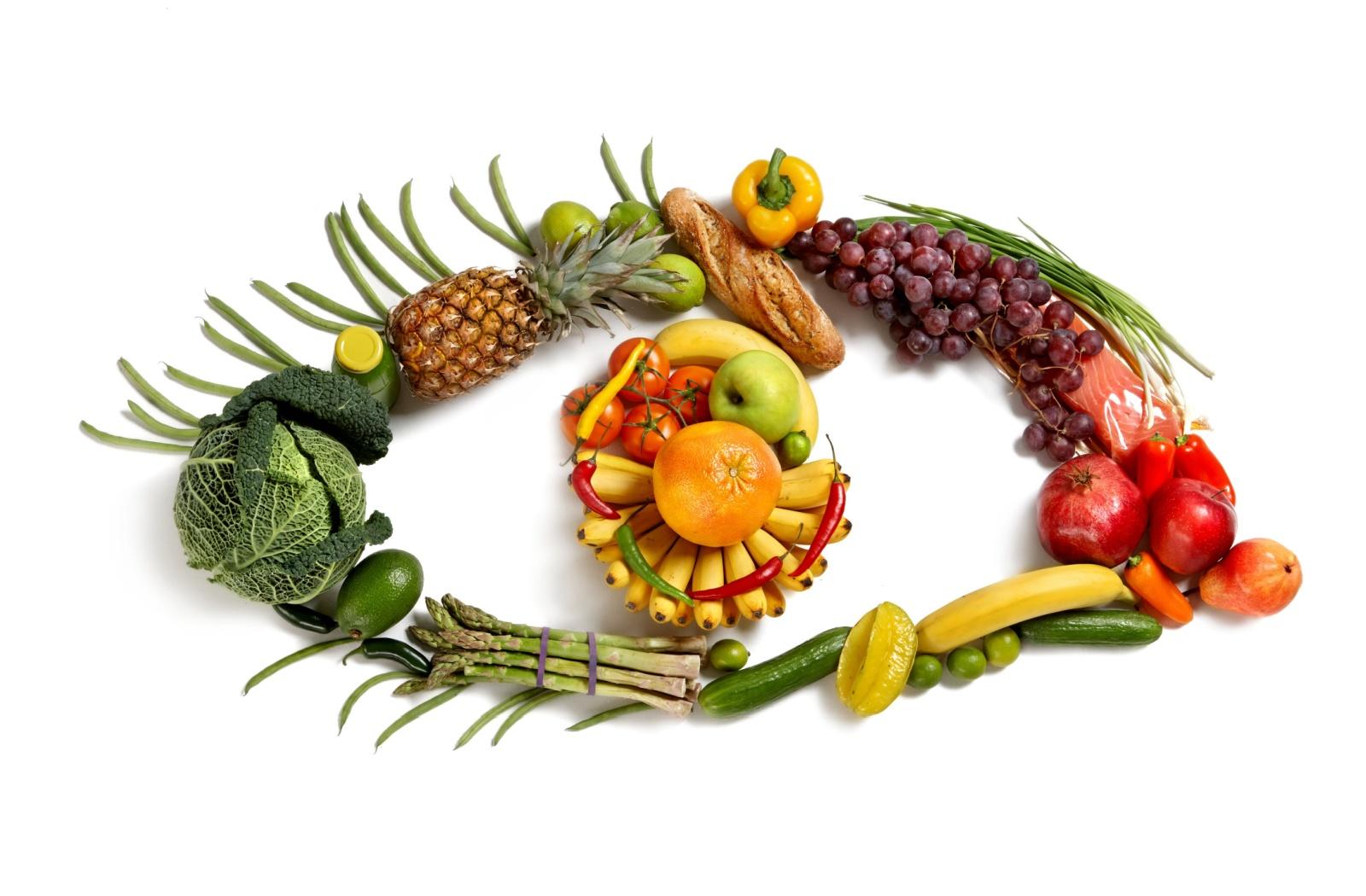
What you eat plays a big role in your overall health, including your eye health. Though nutrition isn’t a substitute for proper eye care, it is worth making an effort to include these nutrients in your diet. Here are some helpful tips for foods to consider incorporating into your diet to support your eyes as you age.
Helpful Nutrients and Vitamins
Some people with dry eye may benefit from omega-3 fats, which may help reduce these symptoms. Zinc and lutein are other helpful minerals that support overall eye health.
You can find omega-3 fats in foods like fish, especially salmon, but if seafood isn’t for you, nuts and seeds like walnuts are good sources. For lutein, consider adding a handful of spinach or other dark leafy greens to a smoothie or morning eggs. Zinc can be found in fish, meats, and legumes such as chickpeas, black beans, and pumpkin seeds.
Reasons to Visit an Eye Doctor in Pleasanton
Catch Problems Early
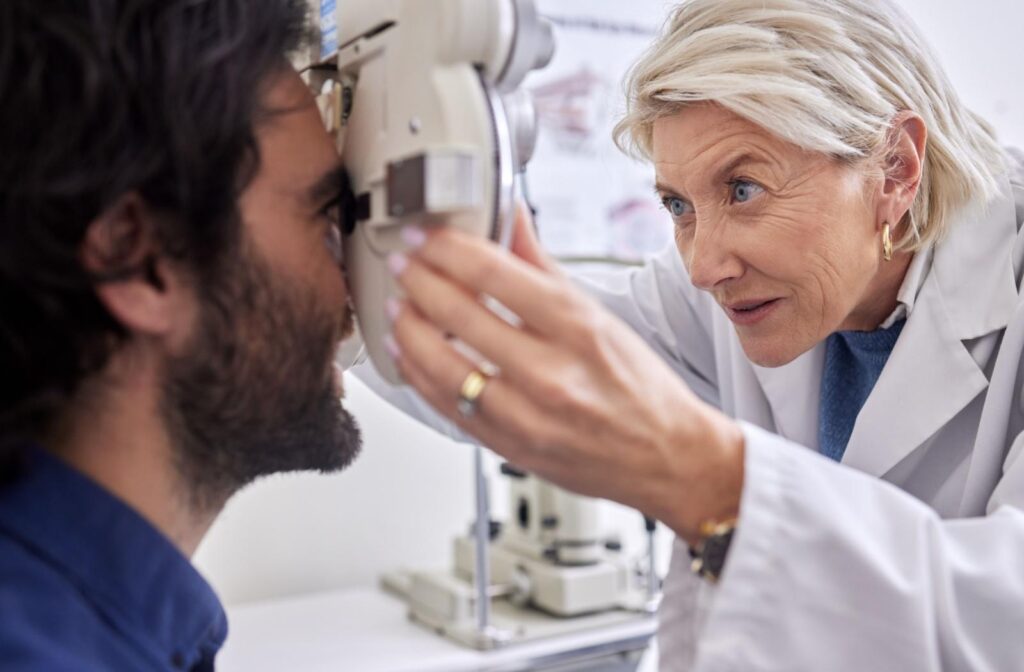
In their early stages, many vision problems can develop slowly without obvious signs. You can protect your sight by scheduling an eye exam as recommended by your eye doctor, usually every 1–2 years. Regular visits help our team detect issues, sometimes before you notice any changes in your sight. Our team can also update your glasses prescription to keep you seeing comfortably day to day.
Systemic Health Checks
An eye exam does more than check your vision. The eye doctor can spot signs of overall health issues like high blood pressure by looking at the blood vessels in your eyes. Consistent care allows the team to monitor small changes over time, which is important because many treatments for eye diseases are often more effective in the early stages. These regular checks help support your overall wellness.
Schedule Your Eye Exam
Your vision can change over time, but you have tools to protect it. Good daily habits and regular exams can help keep your eyes healthy for the long term. At Total Vision Pleasanton, our team is here to help you manage these changes with comprehensive care. Schedule your next eye exam today.