

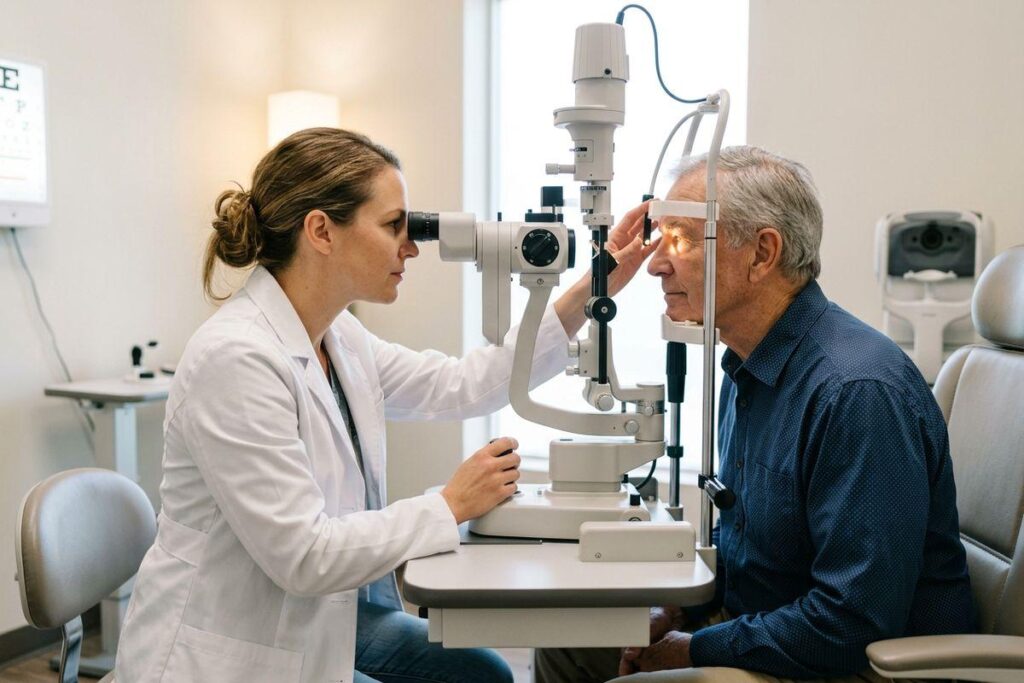
A glaucoma diagnosis often comes as a surprise, since the disease rarely causes pain or noticeable vision changes in its early stages. Once the news settles in, most people want to know whether glaucoma ever goes away.
Glaucoma has no cure yet, so treatment focuses on slowing the damage and protecting the vision you still have. The earlier you start treatment, the more sight you have left to protect. Keep up with routine eye exams so your optometrist can look for changes before you’d likely notice them yourself.
How Glaucoma Damages Your Optic Nerve
Your optic nerve carries visual information from your eye to your brain. Glaucoma slowly damages this nerve, and as nerve fibers die, parts of your vision start to fade.
In most cases, the damage is tied to pressure building up inside your eye. Your eye constantly makes a clear fluid that drains out through tiny channels near the front of the eye. If those channels don’t drain well, the fluid backs up and puts extra pressure on the optic nerve.
Why Glaucoma Has No Cure Yet
Nerve tissue in your eye can’t repair itself the way skin heals after a cut. Once optic nerve fibers die, current treatments can’t reverse that damage, so any vision glaucoma has already taken is permanent.
Treatment can protect the healthy nerve fibers you have left. Lower eye pressure means less strain on those fibers, which may slow or stop further vision loss.
With early diagnosis and consistent treatment, many people with glaucoma never notice significant changes in their vision.
Early Signs of Glaucoma
Open-angle glaucoma, the most common type, usually has no symptoms at first. That’s why as many as half of people with glaucoma don’t know they have it.
As the disease progresses, you might notice:
- Blind spots in your side vision, often starting near your nose
- Bumping into things you didn’t see
- Halos around lights
- Blurry patches in your vision
Angle-closure glaucoma is far less common and can come on suddenly when the eye’s drainage gets blocked. Get emergency eye care right away if you have:
- Sudden, severe eye pain
- Eye redness
- Sudden blurry vision
- Nausea
Who’s at Higher Risk for Glaucoma?
Glaucoma can affect anyone. These factors can raise your risk:
- Being over 60
- Being African American or Hispanic/Latino and over 40
- Having a parent or sibling with glaucoma
- Diabetes
- High blood pressure
If any of these apply to you, ask your optometrist how often you should come in for an exam. Glaucoma can run in families, too, so encourage your relatives to get checked if you’ve been diagnosed.
How Optometrists Test for Glaucoma
Your optometrist can check for glaucoma and other eye diseases during a comprehensive exam. After dilating your pupils for a clearer view of the back of your eye, your optometrist may look at:
- Your eye pressure
- The shape and color of your optic nerve
- Your side vision, using a visual field test
- The thickness of your cornea
Eye pressure alone can’t confirm glaucoma, since some people develop it with normal pressure. Comparing your results from one visit to the next can help your optometrist spot slow changes early.
Glaucoma Treatment Options
Eye pressure is the only glaucoma risk factor treatment can change, so every option aims to lower it. Your optometrist may recommend:
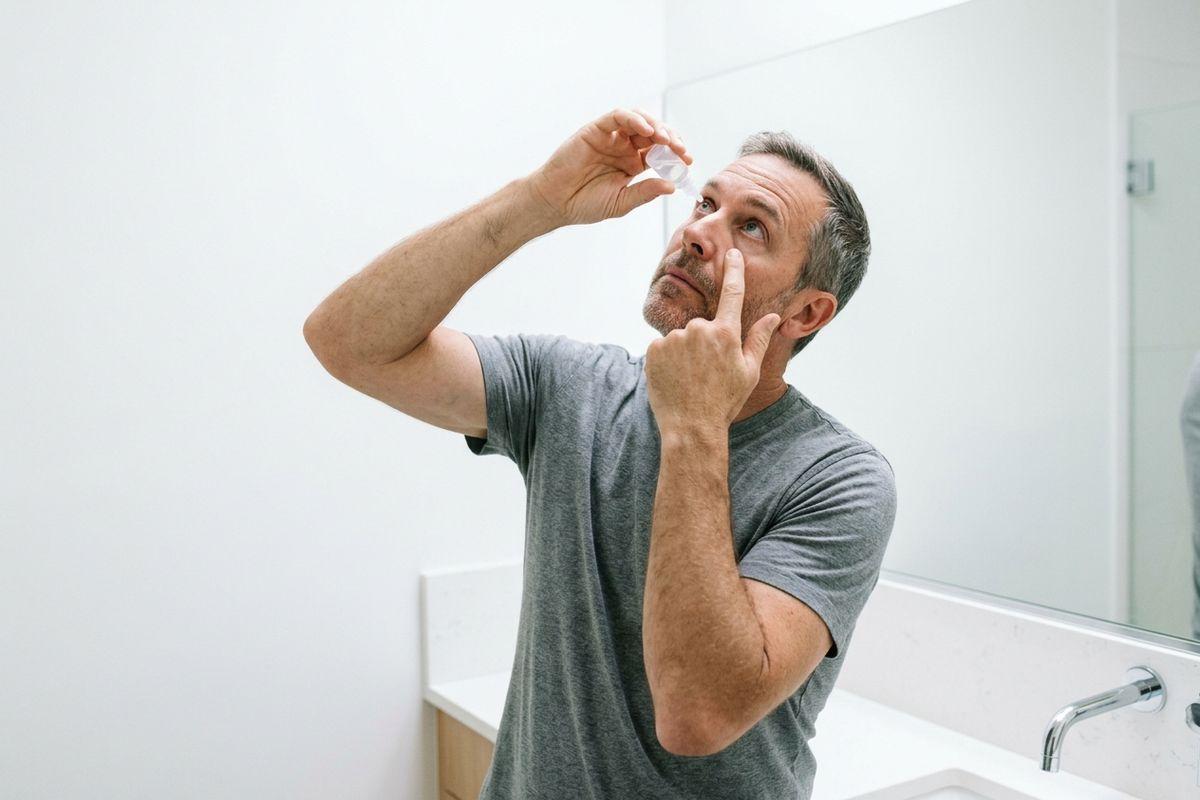
- Prescription eye drops: These are usually the first step. They can help fluid drain or reduce how much fluid your eye makes.
- Laser treatment: This in-office procedure can help fluid drain from your eye more freely.
- Surgery: If drops and laser treatment aren’t enough, your optometrist can refer you to an ophthalmologist for surgery that creates a new drainage path.
Your optometrist will adjust your plan based on your pressure readings and how your vision holds up over time. Tell us if your drops cause redness or stinging, since a different medication may suit you better.
Daily Habits That Can Support Treatment
Your home routine can support your treatment plan. Try these habits:
- Use your drops exactly as prescribed, even on days your eyes feel fine
- Get regular, moderate exercise like walking
- Limit caffeine
- Drink fluids in small amounts through the day instead of large amounts all at once
Set a daily alarm if you have trouble remembering your drops. Missed doses can let your eye pressure rise again.
Protecting Your Sight After a Glaucoma Diagnosis
With consistent care, many people with glaucoma keep up with their daily routines for years. Regular checkups give your optometrist a chance to track your eye pressure and side vision, then adjust your treatment before small changes start to affect your day.
The optometrists at Total Vision Pleasanton can monitor your glaucoma and build a care plan around your eyes and your lifestyle. Book an appointment and take the next step in protecting your vision.